Camerawork
https://www.youtube.com/watch?v=15X_EEcw3b0

Close up- much more dramatic than medium or long shots. They are you'd when you want to emphasise someone’s emotion or expression
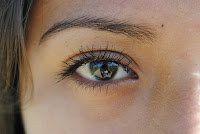 Extreme close up- This an extremely detailed shot. These types of shot are generally used to show just one feature on someone’s face that would be missed in a wide angled shot.
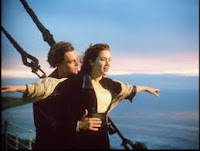 Mid shot- The medium shots may be cut from medium shots straight to close up shots to make a more dramatic affect. Medium shots are the most common shots in films showing most of the person’s body. The medium shot is in-between the long shot and close up shot. The medium shot also includes the two-shot, when two actors are facing the same direction and the over the shoulder shot, when two actors stand facing each other e.g. sitting across a table from each another.
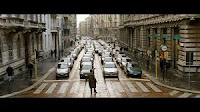 Establishing shot- A wider shot that would focus more on the environment than the characters. The establishing shot introduces a new location e.g. a school, someone’s house, and a street. The establishing shot would nearly always be filmed with the same lens and in the same position. The shot would also last a couple of seconds before it cuts to a medium shot and close-ups.
 Low angle- low angles are normally placed below the actor’s eyes looking up. This makes the characters look more aggressive or dominant, it could also be used to show something lurking.
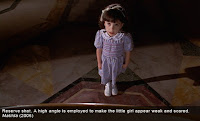 High angle- The camera above the actor or subject, looking down. It would be used make the charters look weak, small or frightened often used to show the small size of a child in comparison to the subject looking down on it.
 Aerial shot- A shot taken from a drone, helicopter or a person on top of a building. Sometimes introducing the film or new location.
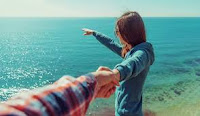 Point of view shot- the camera looking out of the actor’s eyes. The camera may be shaky to show the person walking. The shot after normally follows by a close up.
 Camera Shot
Types http://bodmincollegemedia.blogspot.co.uk/2012/09/camera-work.html
Camera Shot
Types http://bodmincollegemedia.blogspot.co.uk/2012/09/camera-work.html
Hitchcock zoom
 Extreme close up- This an extremely detailed shot. These types of shot are generally used to show just one feature on someone’s face that would be missed in a wide angled shot.
 Mid shot- The medium shots may be cut from medium shots straight to close up shots to make a more dramatic affect. Medium shots are the most common shots in films showing most of the person’s body. The medium shot is in-between the long shot and close up shot. The medium shot also includes the two-shot, when two actors are facing the same direction and the over the shoulder shot, when two actors stand facing each other e.g. sitting across a table from each another.
 Establishing shot- A wider shot that would focus more on the environment than the characters. The establishing shot introduces a new location e.g. a school, someone’s house, and a street. The establishing shot would nearly always be filmed with the same lens and in the same position. The shot would also last a couple of seconds before it cuts to a medium shot and close-ups.
 High angle- The camera above the actor or subject, looking down. It would be used make the charters look weak, small or frightened often used to show the small size of a child in comparison to the subject looking down on it.
 Point of view shot- the camera looking out of the actor’s eyes. The camera may be shaky to show the person walking. The shot after normally follows by a close up.
Camera Shot
Types http://bodmincollegemedia.blogspot.co.uk/2012/09/camera-work.html
Extreme close up
Close up
Medium close up
Medium shot
Medium long shot
Long shot
Establishing shot
Cut away
Camera
Angles:
Worms eye
Low angle
High angle
Birds eye
Camera
Movement:
Zoom in
Zoom out
Tilt up
Dutch tilt
Tracking shot
Pan
Hitchcock zoom


Comments
Post a Comment